

Key Takeaways
- E garbage is electronic waste that requires specialized recycling to recover valuable materials like metals and plastics instead of losing them in landfills.
- A structured disposal process (collection, data destruction, refurbishment, and recycling) helps you reduce environmental impact, stay compliant, and protect sensitive data.
- Carlin Waste Recycling helps you manage plastic e-waste efficiently by connecting your materials with the right recycling partners and maximizing their value. Get a quote now!
Computers, servers, mobile devices, and office electronics are now replaced more frequently than ever, so we do need to talk about: E garbage disposal.
In this guide, you will learn how electronic waste is handled to help your business improve sustainability practices, protect sensitive information, and potentially recover value from obsolete equipment.
Here’s what you need to know!
What is E Garbage?
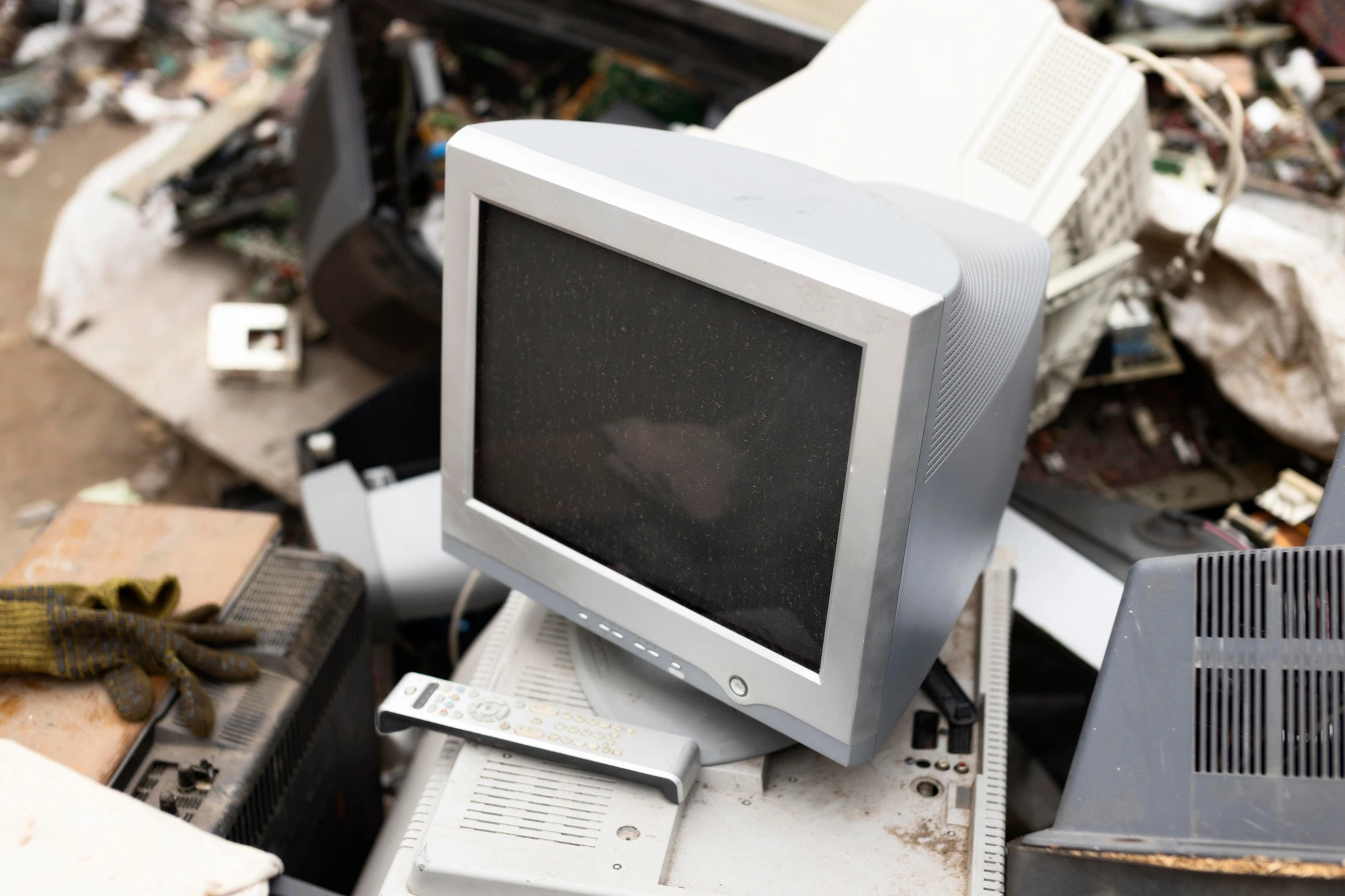
E garbage is electronic scrap produced when electrical or digital equipment reaches the end of its useful life. Businesses generate electronic trash when computers become outdated, devices stop functioning, or infrastructure upgrades replace existing technology.
Unlike standard waste streams, electronics contain a complex mix of metals, plastics, circuit boards, and electronic components. These materials require specialized processing to separate and recycle them properly.
What Types of Items Are Considered E Garbage?
The types of items considered e garbage are:
- Computers and laptops
- Monitors and displays: LCD, LED, and CRT screens
- Mobile devices: Smartphones, tablets, and handheld scanners
- IT and networking equipment: Routers, switches, modems, servers, and firewalls
- Office and audio-visual equipment: Printers, scanners, copiers, TVs, projectors, and conferencing systems
- Storage devices: Hard drives, USBs, CDs, DVDs, and backup systems
Only 17.4% of global electronic waste is formally collected and recycled, leaving most valuable materials lost in informal or unmanaged systems.
– Kees Baldé, United Nations University (UNU)
Why Is E Garbage Different From Regular Waste?
E garbage is different from regular waste because it contains both valuable materials and components that require controlled handling.
Electronic devices often include metals such as copper, aluminum, and small quantities of precious metals embedded in circuit boards. These resources can be recovered through specialized recycling processes.
At the same time, electronic products contain components that should not be handled through standard landfill disposal methods.

How Does E Garbage Disposal Work?
E garbage disposal works by collecting, evaluating, dismantling, and recycling electronic equipment through specialized processing systems. Here’s what the process typically looks like from start to finish:
Step 1: Identify and Collect Equipment
You identify devices that are no longer in use or ready for replacement, then gather them in a designated area.
Creating a simple inventory helps you track what you have and makes pickup and evaluation more efficient.
Step 2: Transport and Secure Data
You send the equipment to a certified recycling provider using secure transportation and chain-of-custody tracking.
Before processing, all data is permanently erased through wiping or physical destruction to protect sensitive information.
Step 3: Evaluate and Refurbish
You assess whether any equipment can be repaired or reused. Devices in good condition can be resold, redeployed, or donated.
This step helps you recover value and reduce waste.
Step 4: Dismantle and Recover Materials
You dismantle non-reusable equipment and separate materials such as metals, plastics, and circuit boards.
These materials are then processed and recycled for reuse in manufacturing, reducing the need for new raw resources.
What Are the Main E Garbage Disposal Methods?
The main e garbage disposal methods are recycling, refurbishment, and controlled material recovery:
- Recycling facilities dismantle electronic equipment and process components to extract reusable metals and plastics.
- Refurbishment programs extend the useful life of electronics by repairing and reselling functional devices.
- Material recovery focuses on extracting valuable metals from devices that can no longer be reused.
💡 These disposal methods reduce landfill waste while supporting more sustainable production systems.

Why Is Proper E Garbage Disposal Important for Businesses?
Proper e garbage disposal is important because it supports environmental responsibility, regulatory compliance, and operational transparency.
As you generate more electronic equipment, managing it correctly helps you reduce your environmental impact and avoid compliance risks. It also protects your reputation by showing a clear commitment to sustainability.
What Is the Environmental Impact of Improper E Garbage Disposal?
The environmental impact of improper e garbage disposal is pollution, loss of recyclable materials, and increased pressure on natural resources.
When electronics are sent to landfills, valuable metals and plastics are permanently lost from the recycling economy. Improper disposal can also allow harmful substances to enter soil and water systems over time.
Recycling one million laptops can save energy equivalent to the electricity used by more than 3,500 U.S. homes in a year.
– Kathleen Gallagher, U.S. Environmental Protection Agency
Can Businesses Get Paid for Their E Garbage?
Yes, you can get paid for your e-garbage when it contains recoverable materials like copper, aluminum, plastics, and small amounts of precious metals found in circuit boards.
In the United States, low-grade mixed e-waste is typically worth around $0.04 per lb (= $80 per ton) according to Scrap Monster’s website (March 2026).
The exact value depends on:
- The type of equipment you recycle
- The mix of materials (metals and plastics)
- The total volume you generate
- Current market demand

How Can You Choose a Waste Disposal Partner for Your Business?
To choose a waste disposal partner for your business, evaluate expertise, transparency, and recycling network capabilities. Important factors include:
- Industry experience: Waste management providers with extensive experience understand recycling logistics and regulatory requirements for handling electronic materials.
- Material traceability: Reliable partners provide documentation showing how materials are transported, processed, and recycled.
- Recycling network access: Companies with strong industry connections can identify the most efficient processing outlets for different waste streams.
- Environmental compliance: Certified recyclers follow environmental regulations and safety standards during processing.
Meet Carlin Waste Recycling: Your Reliable Recycling Brokerage
With more than a decade of experience, Carlin Waste Recycling connects businesses with trusted recycling markets. Rather than operating recycling plants directly, we specialize in brokerage services that match materials with the most competitive buyers and processors.
Our network handles a wide range of recyclable plastics, post-industrial resins, and clean plastic scrap.
We help you improve waste management outcomes while maximizing material value!
What Industries Does Carlin Waste Recycling Serve?
- Manufacturing: Manufacturing facilities often generate consistent volumes of plastic scrap, regrind, and surplus materials. We assist plants manage these streams, improve material segregation, and access competitive recycling markets.
- Third-Party Logistics (3PL) and distribution: Warehouses and distribution centers frequently accumulate packaging scrap, stretch film, and rejected loads.
- Foodservice distributors: In this case, it’s required reliable waste handling and strict compliance standards. We support these operations with scheduled removal of packaging materials and full traceability from pickup through processing.
- Small commercial recyclers: Independent recycling businesses rely on strong market access and consistent logistics. We consolidate loads, connect with verified buyers, and secure fair pricing.
Ready to explore recycling solutions for your business? Contact us today to discuss your needs and get a customized quote.

E Garbage Disposal FAQs
Are Electronics Free to Dump?
No, electronics are not free to dump in the United States. E-waste requires specialized handling, so disposal often involves fees depending on state regulations and the type of equipment.
Should I Throw Out Old VHS Tapes?
No, you shouldn’t throw old VHS tapes in the regular trash. VHS tapes are made of plastic and magnetic film that don’t break down easily and aren’t accepted in standard recycling streams. Instead, you can take them to a specialized recycling facility, reuse them, or donate them if they’re still in good condition.
Can You Put CDs and DVDs in the Recycling Bin?
No, you can’t put CDs and DVDs in your regular recycling bin. They are made from polycarbonate plastic mixed with coatings and metals, which most curbside recycling programs in the U.S. do not accept. Instead, you should take them to specialized e-waste or media recycling programs, or reuse/donate them if they’re still functional.
Leave a Reply