

Key Takeaways
- Super Sacks deliver controlled capacity and reliable load distribution, making them essential for safe and efficient bulk-material handling.
- Reusable and recyclable polypropylene construction supports sustainability, reducing packaging waste while lowering long-term operational costs.
- Carlin Waste Recycling provides certified recycling services, helping companies optimize purchasing, disposal, and circular-material strategies. Get a quote today!
Flexible Intermediate Bulk Containers (FIBC), commonly known as bulk bags or super sacks bags, are essential packaging solutions in modern bulk handling since they deliver controlled capacity, structural reliability and scalable performance for industrial workflows.
This guide breaks down everything you need to know about super sacks, from their sizing to capacity, materials, applications, safety guidelines, and sustainability benefits. Keep reading to explore how they compare to bulk bags, the different types available, and key insights on reuse and recycling.
Let’s dive in!
What Are Super Sacks?
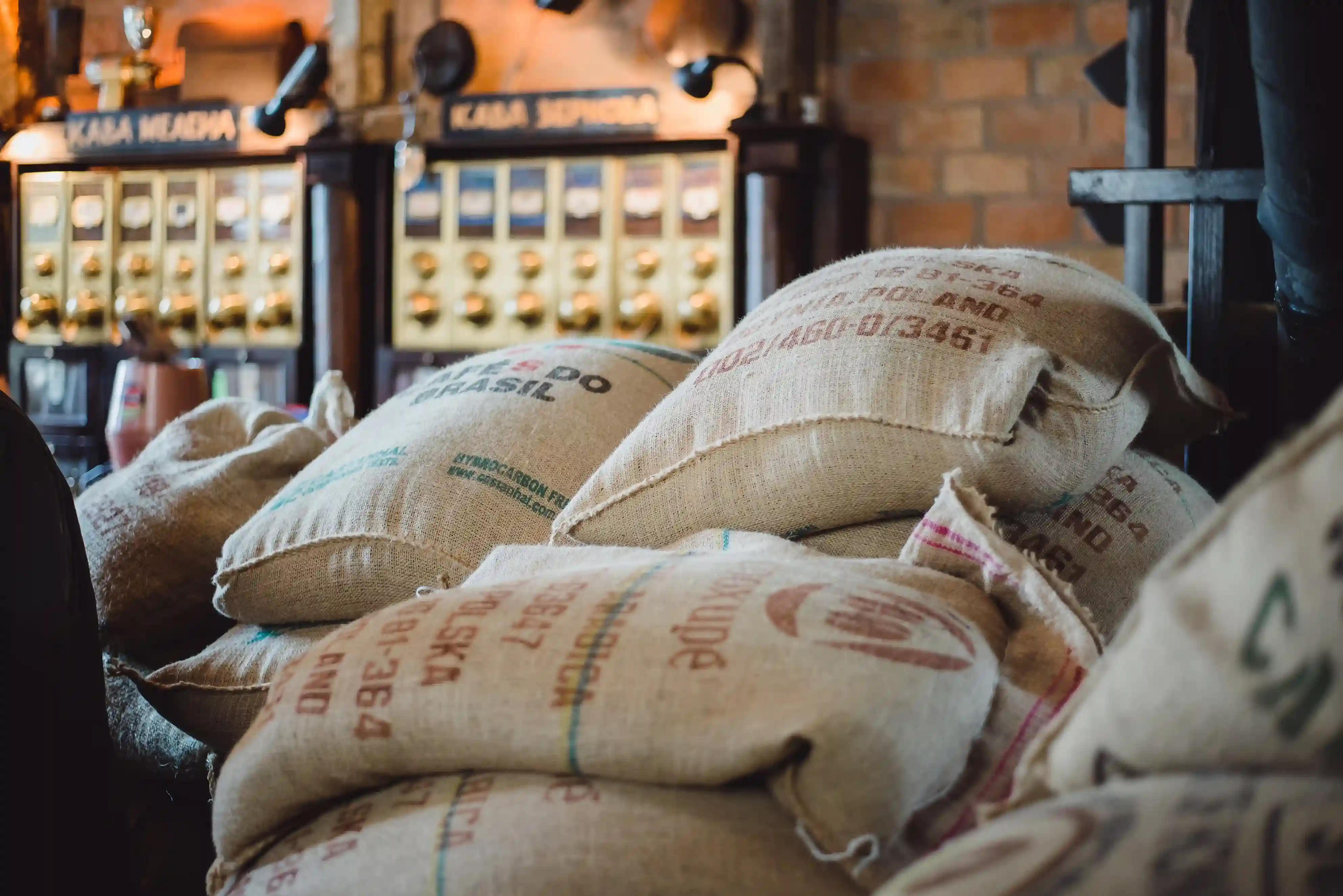
Super sacks are industrial-grade flexible intermediate containers designed to store and transport bulk materials with uniform load distribution and engineered durability. You can rely on them to secure powders, grains or aggregates without compromising product integrity.
When used in structured systems, super sacks allow precise flow control through specific discharge mechanisms tailored to your production needs. Their technical design enhances efficiency by reducing contamination risks and supporting repetitive cycles under stable conditions.
With a lightweight construction and reinforced seams, these containers reduce handling time and streamline transportation processes. Their adaptability supports multiple industries that require predictable load behavior and consistent safety standards throughout the supply chain.
What Is the Difference Between Bulk Bag and Super Sack?
The difference between bulk bag and super sack is defined by terminology rather than functional variation, since both names refer to the same flexible container category. You can expect identical performance characteristics because manufacturers use similar weaving patterns and load-resistance standards.
You may find that some suppliers prefer “bulk bag” for broader applications, while “super sack” is often used in commercial settings that require higher-grade specifications. In practice, both serve the same role and operate under the same industrial parameters.
What Size Is a Standard Super Sack?
The size of a standard super sack is typically one cubic yard, providing a balanced volume for safe stacking and controlled lifting. You can integrate this format into warehouse systems that rely on uniform dimensions to reduce handling complexity.
Even though manufacturers offer custom measurements, the one-yard structure remains the most consistent choice because it delivers predictable loading ratios and stable mechanical behavior. This standardization supports smoother transportation and easier compatibility with automated filling equipment.

How Many Tons Are in a Super Sack?
A super sack can hold up to one ton of material depending on density, allowing you to scale operations with confidence. You can load heavier products without exceeding design parameters because the sack’s woven structure distributes weight evenly.
Your operational capacity increases when the tonnage aligns with your material characteristics, ensuring a controlled workflow.
How Much Do Super Sacks Weigh? [Capacity]
A super sack typically weighs between five and seven pounds in its empty state, making it easy to handle without the need for specialized lifting equipment. Its low weight reduces physical strain while still supporting high load capacities.
This lightweight mass allows your team to deploy sacks rapidly during filling cycles and secure them using standard hooks or forks. The minimal tare weight contributes to reduced transport expenses compared with rigid containers.
One of the primary advantages of FIBC bags is their ability to maximize storage space and transportation capacity.
– Ashutosh Sharma. Agrobiotechnology researcher
Who Makes Super Sacks?
Super sacks are manufactured by specialized packaging companies that engineer woven polypropylene structures with strict tensile-strength requirements. You can expect consistent quality from suppliers that comply with ISO standards and industrial testing protocols.
In America, super sacks manufacturing is led by BAG Corp, the original producer of the registered SUPER SACK® brand through its United Bags division, alongside other major players such as InterBULK USA, MegaSack Corp, Custom Packaging Products, ACME Bag, FlexSack, Bulk Bag Depot, and Whitebag Company.
What Types of Super Sack Bags Are Available?
The main types of super sack bags available are:
- Spout bags: These super sack bags are equipped with a spout for controlled filling or discharge, designed to be handled with forklifts via lift loops.
- Spout top bags: They have a filling spout on the top of the bag, allowing precise and cleaner loading of bulk materials.
- Spout bottom bags: Include a discharge spout at the base, enabling controlled and efficient emptying of contents.
- Duffle top bags: These are bulk bags with a wide, open-top design that makes loading easier and provides better access to the contents.
- Jumbo bags: These heavy-duty super sacks are built for very large or bulky loads, offering higher weight capacity while remaining compatible with standard handling equipment.
- One-ton bags: They are bulk bags specifically designed to safely carry loads of up to one ton, suitable for use with forklifts, pallets, and unloading systems.
Materials Used in Super Sack Bags:
- Woven polypropylene fabric: This is a base material which offers high strength, flexibility, and durability.
- Non-conductive polypropylene: Standard polypropylene fabric used when no electrostatic protection is required.
- Low breakdown voltage polypropylene: Specially engineered polypropylene material designed to limit static discharge under specific conditions.
- Polypropylene fabric with conductive threads: This is a non-conductive PP fabric interwoven with conductive filaments to enable grounding and static control.
- Polyethylene liners: These internal liners often are added to protect contents from moisture, contamination, and fine material leakage.

Applications of Super Sack Bags
Super sack bags flexibility makes them a practical and reliable choice for both small-scale operations and high-volume industrial environments:
- Construction: Transporting and storing aggregates, sand, gravel, cement, and other building materials.
- Agriculture: Handling seeds, grains, fertilizers, animal feed, and other bulk farm products.
- Manufacturing: Storing and moving powdered or granular raw materials used in production processes.
- Food Processing: Managing food-grade ingredients such as sugar, flour, rice, and starches (with compliant liners).
- Chemicals: Safely containing resins, polymers, and non-hazardous chemical powders.
- Mining: Transporting minerals, ores, and processed mining byproducts.
- Recycling: Collecting, storing, and shipping recyclable materials like plastic regrind, pellets, and scrap.
- Pharmaceuticals: Handling bulk active ingredients and excipients under controlled conditions.
Super Sack Bags: Key Benefits
- High load capacity: Designed to safely transport and store large volumes of bulk materials.
- Cost-efficient packaging: Reduces handling, transportation, and storage costs compared to rigid containers.
- Space-saving design: Flexible structure allows efficient stacking when full and compact storage when empty.
- Moisture and contamination protection: Helps preserve product quality during storage and transport.
- Reusable and recyclable: Supports sustainability goals while lowering long-term packaging costs.
Flexible intermediate bulk containers are built specifically to be flexible yet durable and, in certain circumstances, built to be used more than one time.
– Jenny Rosa, Researcher
Handling and Safety Guidelines
- Inspect before use: Check the super sack for tears, worn seams, damaged lifting loops, or contamination before filling or lifting.
- Follow weight limits: Never exceed the manufacturer’s safe working load (SWL) to prevent bag failure and workplace accidents.
- Use proper lifting equipment: Always lift super sacks using forklifts, cranes, or hoists designed for bulk bag handling.
- Lift by designated loops only: Use all lifting loops as intended and avoid lifting by the bag body or unevenly loading the loops.
- Maintain stable loading: Ensure the bag is filled evenly and placed on a flat, stable surface to prevent tipping.
- Protect from sharp edges: Keep bags away from sharp objects, rough surfaces, and exposed metal during handling.
- Store correctly: Keep super sacks in a dry, clean area, protected from moisture, chemicals, and prolonged UV exposure.

Are Super Sacks Reusable?
Yes, super sacks are reusable when managed under controlled handling routines that prevent abrasion and seam damage. You can extend their lifecycle by inspecting loops, fabrics, and discharge areas before each deployment to ensure they meet load requirements.
Their robust weaving supports multiple cycles, particularly in environments where the same material type is processed.
Are Super Sacks Recyclable?
Yes, super sacks are recyclable because their polypropylene base can be processed and converted into new industrial materials. You can participate in closed-loop recycling systems that transform worn sacks into pellets, sheets or secondary packaging components.
Recycling enhances your sustainability initiatives, especially when combined with responsible usage protocols. This enables you to maintain a circular approach without sacrificing operational performance.

Looking to Buy or Recycle Super Sacks? Contact Carlin Waste Recycling
At Carlin Waste Recycling, we provide reliable recycling brokerage services for industrial, logistics, and foodservice businesses, helping turn waste into value through dependable service, fair rates, and environmentally responsible solutions.
If you are looking to buy or recycle super sacks, you can contact us to get a quote! Our team will help you evaluate specifications so you can choose solutions aligned with your operational requirements.

Super Sacks FAQs
How Much Sand Does a Super Sack Hold?
A super sack can hold up to one cubic yard of sand, giving you enough volume to support construction, landscaping or industrial tasks. This capacity remains stable when density remains uniform across the filling process.
How Many Yards Fit in a Super Sack?
One yard fits in a super sack when using the standard one-cubic-yard configuration that dominates the industrial market. This measurement creates uniformity across supply chains and simplifies coordination between departments.
Are Super Sack Bags Waterproof?
No, super sack bags are not fully waterproof but can incorporate liners that enhance moisture resistance beyond typical fabric performance. You can protect sensitive materials by selecting coated or laminated versions that reduce water absorption.
Leave a Reply