

Key Takeaways
- Recycling services turn waste into value when materials are properly managed and sold in the right markets.
- A structured recycling process reduces costs, improves efficiency, and increases the value recovered from your materials.
- Contact Carlin Waste Recycling for a tailored evaluation. Get a quote today!
Recycling services can do more than just handle your waste. When structured correctly, they reduce costs, improve operational efficiency, and even generate revenue for your business.
In this guide, we’ll cover everything you need to know about business recycling services: what they are, how they work, what materials qualify, what they cost, and how to choose the right provider.
Let’s check it out!
What Are Recycling Services?
Recycling services are coordinated solutions that manage the full lifecycle of your recyclable materials, including their collection, classification, preparation, and commercialization in competitive markets.
These services connect your waste streams with buyers who reuse them as raw inputs, ensuring that materials maintain their value instead of being lost through disposal.
Rather than handling fragmented tasks internally, you rely on a unified system that integrates logistics, material handling, and market placement into a single, consistent process.
What Types of Recycling Services Are Available for Businesses?
The main types of recycling services available for businesses are:
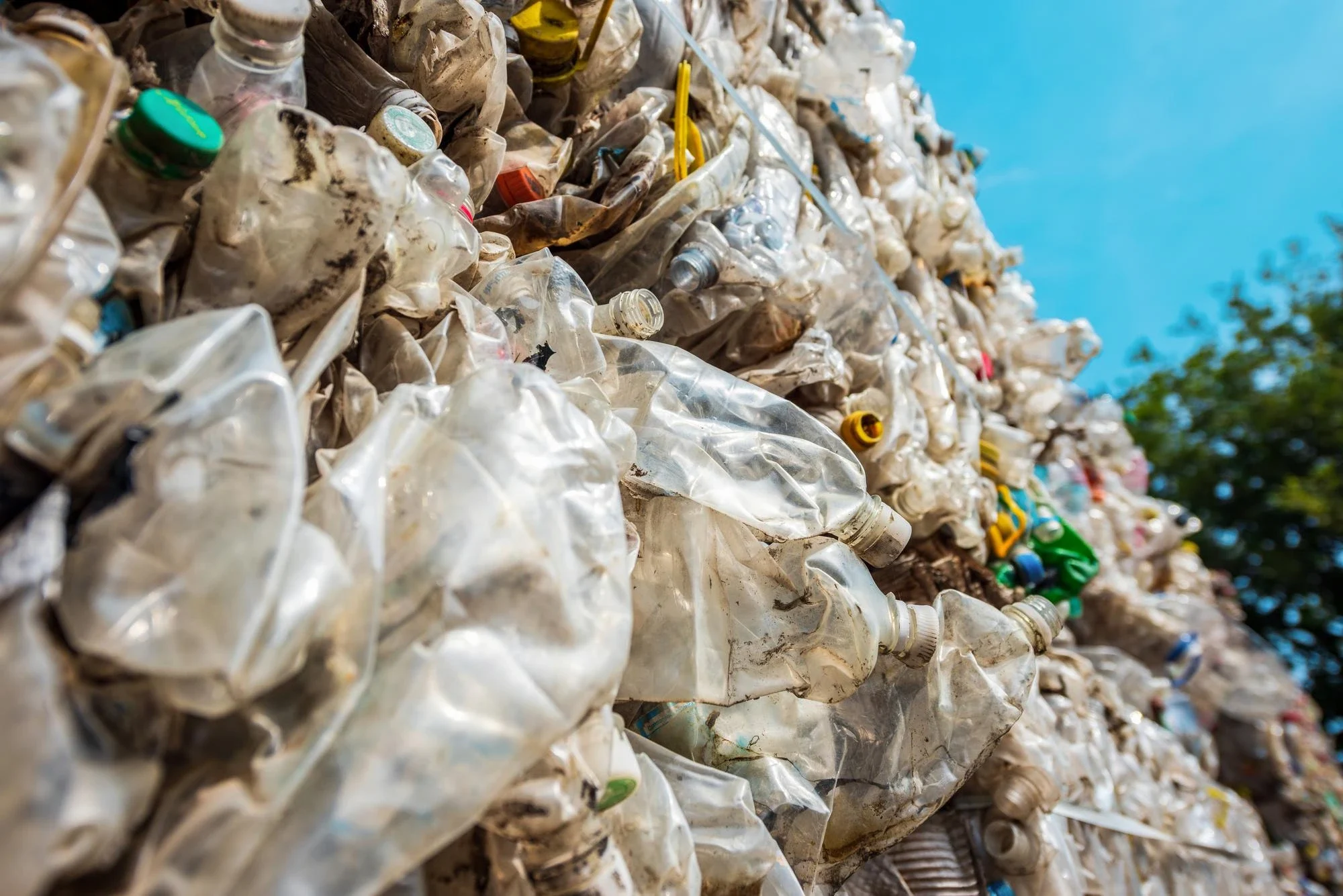
- Plastic recycling services: Post-industrial scrap, off-grade resins, and clean plastic waste generated during production can be recovered and reintegrated into new manufacturing cycles.
- Paper and cardboard recycling: Covers packaging waste, corrugated materials, and office paper, helping reduce landfill volume and support fiber reuse.
- Metal recycling services: Includes both ferrous and non-ferrous metals—such as steel, aluminum, and copper—commonly generated in industrial operations and suitable for high-value recovery.
- Electronic waste recycling: Handles obsolete equipment, devices, and electronic components that require specialized processing due to hazardous and complex materials.

How Do Recycling Services Work for Businesses?
Recycling services work by structuring the entire lifecycle of your materials into a coordinated, repeatable process that ensures efficiency, consistency, and value generation from the moment waste is produced to the moment it is sold in the market:
1. Material Evaluation
The process begins with a detailed evaluation of your waste streams, where materials are analyzed based on type, volume, and contamination levels.
This step determines how your recyclables will be classified, what markets they can access, and how they will be priced.
2. Collection and Transportation
Once materials are evaluated, a collection system is established based on your production rhythm and storage capacity. Efficient transportation ensures that materials are removed consistently, preventing accumulation, reducing internal handling efforts, and maintaining an organized environment that supports operational continuity.
3. Sorting and Processing
Materials are then sorted, separated, and prepared according to industry standards to ensure they meet buyer specifications.
This stage directly impacts material value, as properly processed recyclables are cleaner, more consistent, and significantly more attractive in competitive markets, leading to better pricing outcomes.
4. Matching with buyers:
Finally, your materials are matched with buyers who require those specific inputs for manufacturing processes.
This step determines the final economic return of your recyclables and ensures that they are consistently placed in markets where demand is strong, reducing delays and maximizing revenue potential.
Recycling value is created when materials are aligned with the right demand channels.
– Dr. Veena Sahajwalla, UNSW Sydney
What Materials Can Be Recycled Through Business Recycling Services?
The materials that can be recycled through business recycling services are plastics, metals, cardboard, paper, and certain types of electronic waste generated during production or daily business activities.
Each of these elements has specific characteristics that influence how it should be handled, processed, and priced in the market. Plastics require separation by resin type and cleanliness to achieve higher value, metals depend on composition and weight for accurate pricing, and paper materials rely on volume and condition to remain viable for reuse.
In all cases, proper classification and preparation directly increase market value and make commercialization more efficient and predictable.
Why Businesses Invest in Recycling Services: Key Benefits
- Cost reduction: Expenses related to landfill disposal, inefficient waste handling, and unnecessary transportation all decrease when materials are redirected into recycling streams. Over time, this minimizes your operational waste costs and creates a more optimized cost structure that improves financial performance.
- Revenue generation: Recyclable materials become a consistent source of income when sold to industrial buyers.
- Operational efficiency: Structured collection and handling systems reduce clutter and improve workflow. This ensures that waste management becomes a predictable and controlled part of your operations rather than a reactive task that interrupts productivity.
- Sustainability performance: Reducing landfill use and supporting material reuse strengthens your environmental impact. This aligns your business with sustainability expectations from clients and partners, improving your positioning in competitive markets.
Recycling performance depends on how efficiently materials are reintegrated into production systems.
– Dr. Roland Geyer, University of California
Can Businesses Make Money From Recycling?
Yes, businesses can make money from recycling by selling materials to manufacturers that reuse them as raw inputs. The level of profitability depends on factors such as material quality, consistency of volume, and current market demand conditions, all of which influence pricing and transaction speed.
According to the U.S. Environmental Protection Agency (EPA), recycling and reuse activities generate more than $110 billion annually, demonstrating the scale and stability of the recycling economy.
💡 Example: Clean plastic scrap can range between $150 and $600 per ton depending on resin type and contamination levels, based on recent data from RecyclingMarkets(.net).
How Much Do Recycling Services Cost for Businesses?
The cost of recycling services for businesses varies significantly depending on whether it is managed internally or through a recycling broker:
| Cost Factor | In-House Recycling | Recycling Broker |
| Hauling & Disposal | $50–$150 per ton depending on material and location – according to Waste Business Journal | Often reduced or included through broker network |
| Labor Costs | $15–$40/hour per employee for sorting and handling – according to Bureau of Labor Statistics | Minimal or none required internally |
| Equipment Investment | $5,000–$50,000+ for balers and equipment – according to Waste Business Journal | No upfront investment required |
| Material Revenue | Limited or none due to lack of market access | $30–$150+ per ton for recyclables – according to RecyclingMarkets(.net) |
| Logistics Management | Managed internally, increasing operational complexity | Fully coordinated by broker (pickups, buyers, routing) |
| Compliance & Risk | Potential fines exceeding $25,000 per day for violations – according to the U.S. EPA | Broker support reduces compliance risks |
| Cost Predictability | Variable and often difficult to forecast | More stable through market optimization |
| Overall Financial Impact | Typically a net cost center | Can reduce costs or generate positive returns |

What Factors Affect the Price of Recycling Services?
The main factors that affect the price of recycling services are:
- Material type and quality: Higher-value, clean materials like metals or sorted plastics typically generate better pricing, while low-grade or mixed materials reduce returns.
- Volume and pickup frequency: Larger, consistent volumes often lower per-ton costs and can unlock better pricing due to operational efficiency.
- Contamination levels: Materials with food, liquids, or mixed waste may be downgraded, rejected, or incur additional processing fees.
- Transportation distance: The farther the material needs to be moved, the higher the hauling costs, directly impacting overall pricing.
- Market demand: Recycling prices fluctuate based on supply and demand for secondary materials, which can vary by region and over time.

How to Choose the Right Recycling Service Provider for Your Business
When choosing a recycling service provider, businesses should consider:
- Industry experience: You need a provider who understands your materials and operational processes, ensuring accurate evaluation and efficient handling from the beginning.
- Market access: A strong network of buyers increases competition for your materials, improving pricing and ensuring consistent demand.
- Transparency: Clear communication about pricing and processes allows you to understand how value is generated and maintained over time.
- Logistics capability: Efficient transportation and scheduling ensure that your materials move consistently without disrupting operations.
- Scalability: Your provider should adapt as your business grows, maintaining efficiency even as volumes increase.

Choose Carlin Waste Recycling, Your Trusted Partner for Recycling
If your business generates recyclable materials, at Carlin Waste Recycling we help you turn those streams into measurable value through a structured, efficient recycling program.
With more than 10 years of experience, we connect your materials to the right markets while ensuring your recycling process is aligned with your operational and financial goals.
How Our Recycling Service Works: 4-Step Process
Our recycling process follows a clear structure designed to simplify operations and maximize value at every stage of the material lifecycle:
- Material evaluation: We assess your waste streams—type, volume, and condition—to determine the best handling and pricing approach.
- Tailored recycling strategy: We create a customized plan with optimized logistics and market opportunities.
- Collection and preparation: Materials are picked up, sorted, and processed to improve quality and reduce contamination.
- Market placement: We connect your materials with the right buyers to ensure consistent demand and competitive pricing.
Request a Quote for Your Recycling Services Today
If you’re ready to get started, we’re here to help! Request a quote today. We’ll review your waste streams, pickup needs, and location to deliver transparent pricing & clear next steps – no obligations, just honest numbers.
Recycling Services FAQs
How Often Should a Business Schedule Recycling Pickups?
A business should schedule recycling pickups based on its material volume and storage capacity, typically on a weekly or biweekly basis to maintain efficiency and avoid accumulation.
What Is the Difference Between Recycling Services and Waste Management?
The difference between recycling services and waste management is that recycling focuses on recovering value and reintroducing materials into production, while waste management focuses on collection and disposal.
Leave a Reply